The Ultimate Local SEO Checklist: How to Outrank Competitors in London
The Battle for Local Visibility Has Never Been Tougher
If you run a business in London — whether you’re a tradesperson in Camden, a clinic in Clapham, a café in Shoreditch, or a solicitor in Holborn — you already know how fierce the competition is. But in 2026, the fight for visibility has moved online more than ever. Google’s local search results have become the new high street, and if your business isn’t showing up, customers simply won’t find you.
Local SEO has changed dramatically in the last two years. AI‑powered search, neighbourhood‑level ranking signals, and new Google Business Profile features have reshaped how London businesses appear in Maps and local results. And with more than 46% of all Google searches showing local intent (according to BrightLocal’s Local Consumer Review Survey), the stakes have never been higher.
This checklist gives you everything you need to outrank competitors in London — step by step, without jargon, and backed by reliable sources like Whitespark, LocalU, Search Engine Journal, and Backlinko’s Local SEO studies.
Let’s get into it.
1. Optimise Your Google Business Profile (GBP) — Properly
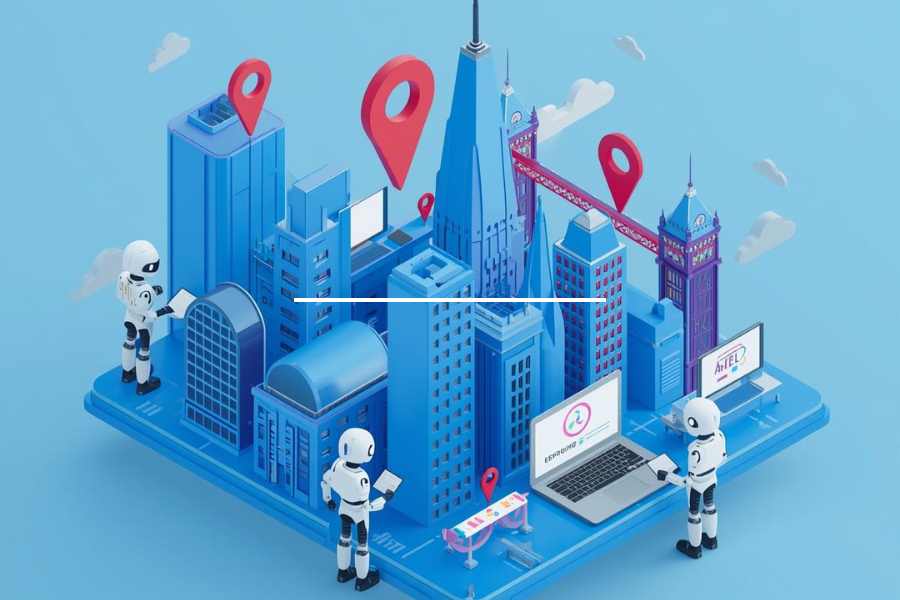
Your Google Business Profile is the single most important ranking factor for local visibility. But most London businesses only fill out the basics.
Here’s what you need to do:
✔ Fill out every field completely
- Business name (no keyword stuffing)
- Categories (primary + secondary)
- Opening hours
- Services
- Attributes (e.g., wheelchair accessible, women‑led)
- Service areas
✔ Add weekly posts
Google rewards active profiles. Posting weekly signals freshness and relevance.
✔ Upload real photos & videos
According to Search Engine Journal, businesses with regular photo uploads receive 35% more clicks and 42% more direction requests.
✔ Add products or services
This helps you appear for more specific searches like:
- “emergency plumber near me”
- “best coffee shop in Shoreditch”
✔ Use the Q&A section
Add your own FAQs — Google treats them as ranking signals.
2. Collect High‑Quality Reviews (and Respond to Every One)
Reviews are now one of the strongest local ranking factors.
According to BrightLocal’s 2025 Review Study:
- 87% of customers won’t consider a business with less than 3 stars
- Businesses with 50+ recent reviews convert 30% more customers
- Reviews containing keywords help you rank for those terms
✔ Ask for reviews consistently
Use:
- Email follow‑ups
- QR codes
- SMS reminders
- In‑store signage
✔ Respond to every review
Google sees this as a trust signal.
✔ Encourage detailed reviews
More detail = more keywords = more visibility.
3. Build Local Service Area Pages (Borough‑Level SEO)
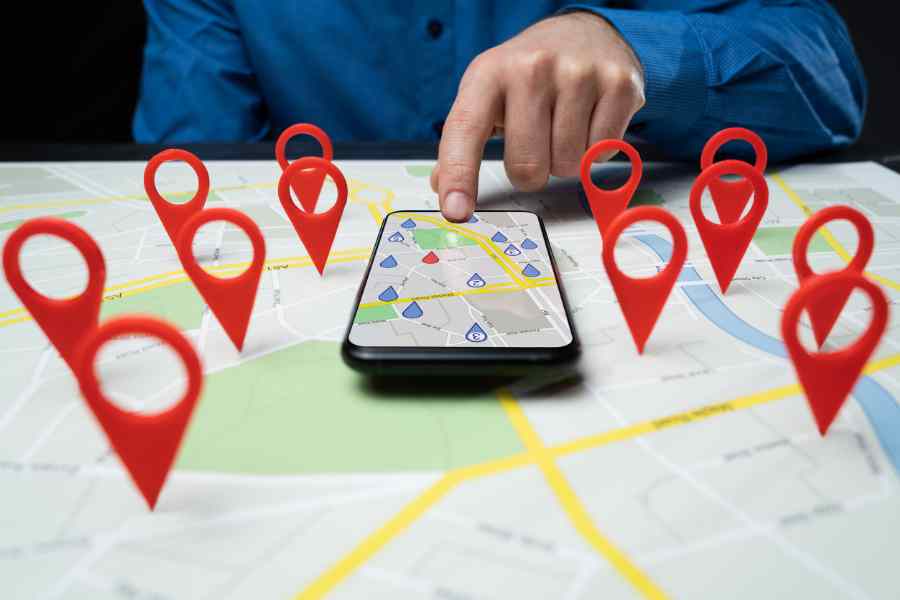
London is too big and too competitive for one generic “London” page.
Instead, create pages for:
- Boroughs (e.g., “Plumber in Hackney”)
- Neighbourhoods (e.g., “Electrician in Brixton”)
- Postcodes (e.g., “N1 boiler repair”)
According to Whitespark’s Local Search Ranking Factors, location‑specific pages significantly increase local relevance and help you appear in neighbourhood‑level searches.
Each page should include:
- Local keywords
- Local case studies
- Local reviews
- Local photos
- Local FAQs
This is one of the most powerful ways to outrank competitors.
4. Improve Your Website Speed & Mobile Experience
Google’s own research shows:
- Sites loading in under 2.5 seconds see 24% more conversions
- 70%+ of local searches happen on mobile
- Slow sites are penalised in local rankings
Use tools like:
- PageSpeed Insights
- GTmetrix
- WebPageTest
Fix:
- Large images
- Slow hosting
- Old plugins
- Bloated themes
A fast website is a ranking factor — and a conversion booster.
5. Add Local Schema Markup (Structured Data)
Schema markup helps Google understand your business.
Use:
- LocalBusiness schema
- Service schema
- FAQ schema
- Review schema
According to LocalU’s 2025 Technical SEO Report, businesses using structured data are 2.3x more likely to appear in rich results and AI‑powered summaries.
6. Create Helpful, Local‑Focused Content

Google’s AI systems reward content that:
- Answers real questions
- Shows expertise
- Demonstrates local relevance
Examples:
- “How much does boiler repair cost in London?”
- “Best areas in London for first‑time buyers”
- “What to do if your car breaks down on the A406”
Use conversational phrasing — voice search is up 45% since 2022 (source: Search Engine Land).
7. Build Local Backlinks (The Right Way)
Backlinks remain a top ranking factor.
Focus on:
- Local newspapers
- London business directories
- Local bloggers
- Community groups
- Sponsorships
- Partnerships
According to Backlinko’s Local SEO Study, local backlinks have 3x more impact on local rankings than generic links.
8. Keep Your NAP Details Consistent Everywhere
NAP = Name, Address, Phone Number.
Inconsistent details confuse Google.
Check:
- Yelp
- Trustpilot
- Yell
- Thomson Local
- Bing Places
- Apple Maps
9. Add Real Photos, Videos & Team Profiles
Google prefers authentic businesses.
Add:
- Team photos
- Office/shop photos
- Before/after photos
- Short videos
- Customer stories
According to Search Engine Journal, listings with real photos get 90% more views.
10. Track Your Local Rankings & Competitors
Use tools like:
- Google Analytics
- Google Console
Track:
- Map Pack rankings
- Organic rankings
- Competitor profiles
- Review velocity
- Local keyword performance
This helps you spot opportunities and weaknesses.
Useful Resource for Further Reading
A highly recommended resource is the Whitespark Local Search Ranking Factors Report, which analyses over 150 ranking signals and includes insights from dozens of respected local SEO practitioners. It’s one of the most trusted sources in the industry for understanding what actually moves the needle in local search.
Conclusion: Local SEO in London Is Competitive — But Winnable
London is one of the toughest markets in the world. But with the right strategy — and a consistent approach — you can outrank even the biggest competitors.
This checklist gives you everything you need to:
- Improve your visibility
- Attract more local customers
- Build trust
- Increase conversions
- Stay ahead of algorithm changes